
Home
About us
Destinations
Travel Guides
Recipes
Featured
Photos As Art
Abstract Prints
Locations
Travel Gear
Travel Resources
Favorites
Photo Framer
Explore Photos
ContactDerbyshire's Hope Valley holds Castleton, a stone-built Peak District village overshadowed by the ruined keep of a Norman castle nearly a thousand years old. The limestone hills around it hide show caves mined for a mineral found almost nowhere else on Earth, and the road out through Winnats Pass climbs through a gorge shaped by a cave system that collapsed millennia ago.
Published July 13, 2026
Tap any photo to open it full-screen and order a print.
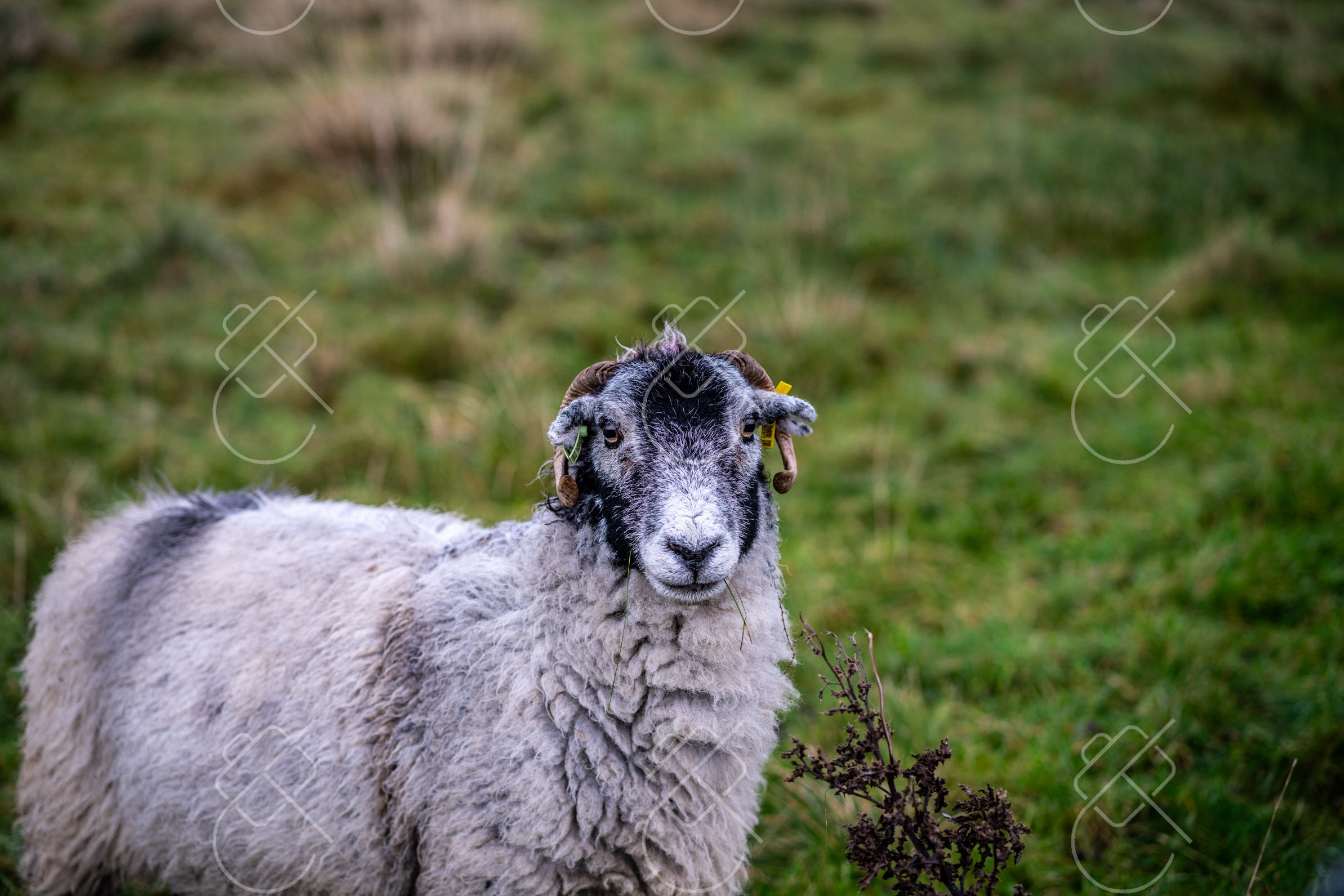
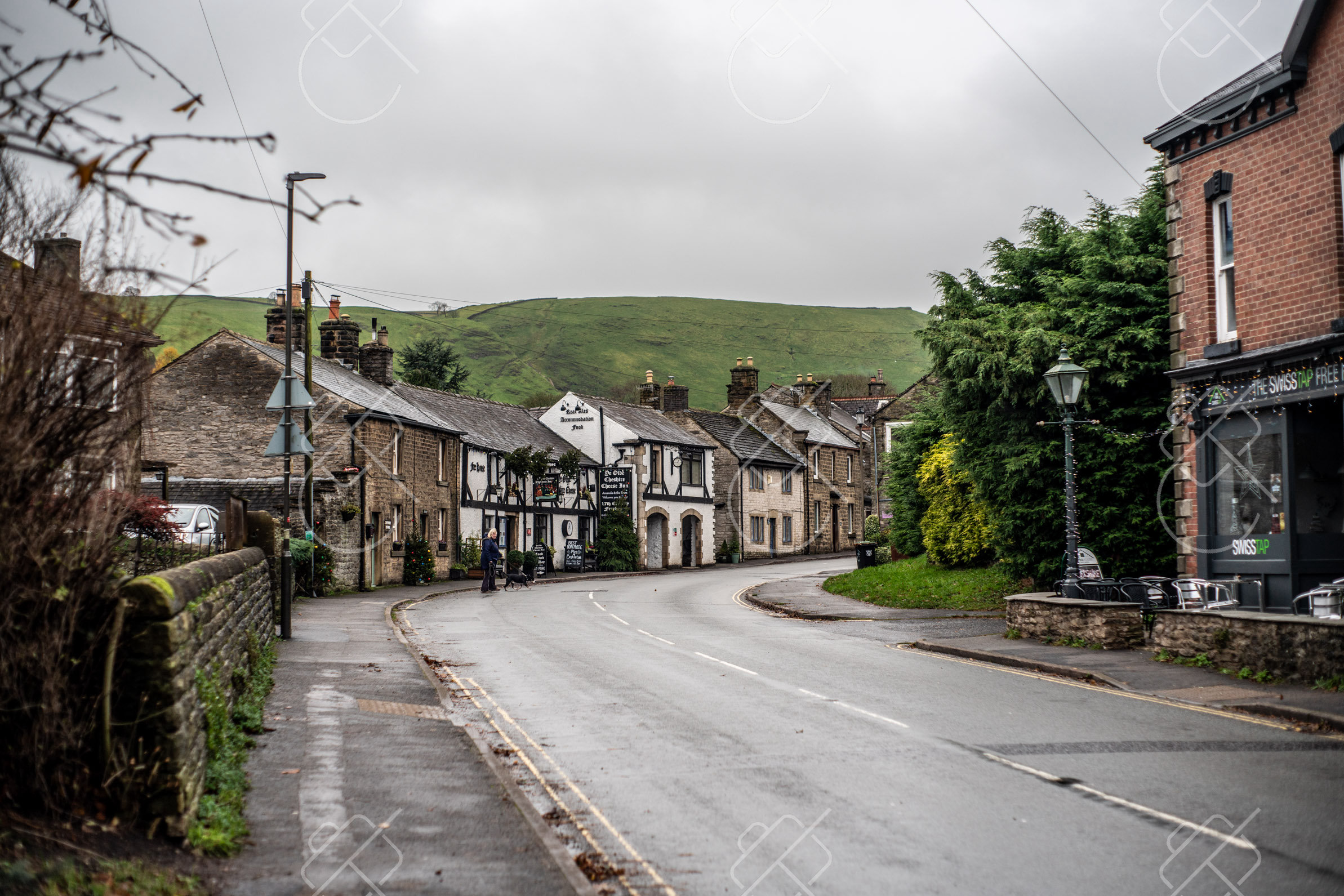
A stone Peak District village in Derbyshire's Hope Valley, set below the ruined keep of a Norman castle and ringed by limestone caverns and gorges.
Peveril Castle looks down on Castleton from a steep hill at the village's edge, its keep built around 1176 on the orders of Henry II atop an earlier motte raised by William Peveril in the years after the 1066 Norman conquest — one of England's earliest Norman castles. The ruins, now managed by English Heritage, gave their name to Walter Scott's 1823 novel Peveril of the Peak, and the climb up to them is short but steep, rewarded with a view straight down the length of the village and out across the Hope Valley. Castleton's stone cottages and the Market Place at its center are compact enough to cover in under an hour, but the real draw is what's underground: Blue John Cavern and Treak Cliff Cavern, both show caves a short walk from the village, are two of the only places on Earth where Blue John — a rare, purple-and-yellow banded form of fluorite — has ever been mined, worked into jewelry and ornaments here since at least the 18th century.
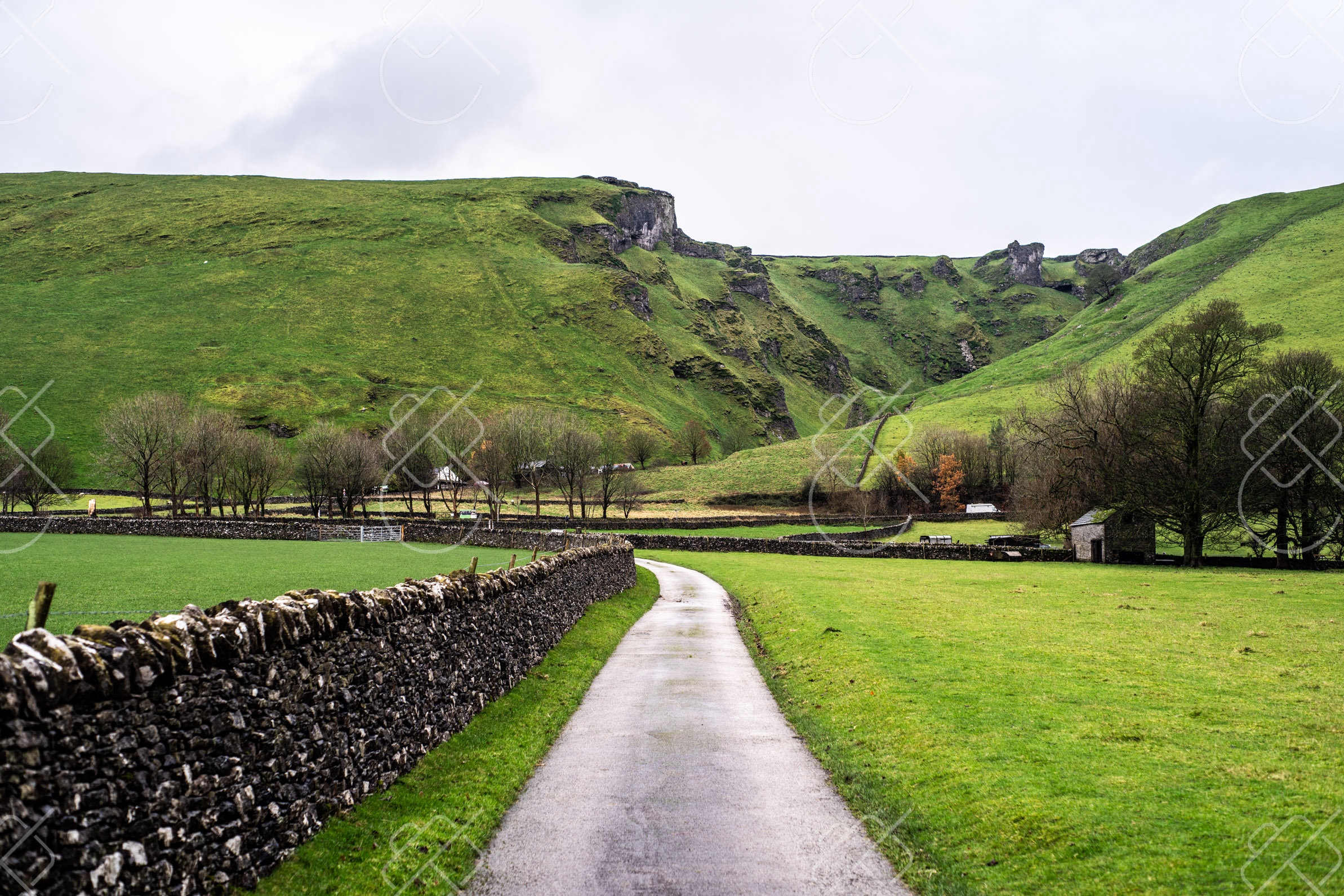
A stone-walled lane leading toward Peveril Castle's ruins on the hillside above Castleton
West of the village, Winnats Pass carries a single-track road through a dramatic limestone gorge, its steep-sided valley the collapsed remnant of an ancient cave system; the name is a corruption of 'wind gates,' after the way the narrow pass funnels the weather through it. Above the pass, Mam Tor — nicknamed the Shivering Mountain for the unstable shale that keeps sliding down its eastern face — carries an Iron Age hillfort at its 517-meter summit and views back down over Castleton and the Hope Valley. The old A625 road below the hill was abandoned by the local council in the 1970s after repeated landslip damage; its cracked, heaved tarmac is still there, now a walking route rather than a road.
Late spring through early autumn, when the Winnats Pass road and the Mam Tor ridge walk are clear of winter mud and ice.
The village center near the Market Place, within walking distance of Peveril Castle and the trailheads for both Winnats Pass and Mam Tor.
Order a proper Derbyshire oatcake — a savory, yeasted griddle cake, usually filled with bacon and cheese — from one of the village cafes just off the Market Place.
Book Blue John Cavern or Treak Cliff Cavern tickets ahead for weekend visits — both caves run timed, guided-only entry with limited group sizes.
Get the best deals on a place to stay in Castleton on Expedia.
Transit cards, local customs, visa rules, and practical travel guides for this region.
See every destination from the 526-day journey:
Browse all destinationsCurious about the gear behind these photos? See the gear list.