Summer means something different in every one of these places — alpine trails finally free of snow, a coastline that stays cool while the rest of the country bakes, beer gardens that stay light past 9pm. Here's where we'd point a summer trip, and why the season is the reason to go.
Tap any photo to open it full-screen and order a print.
01 / 07
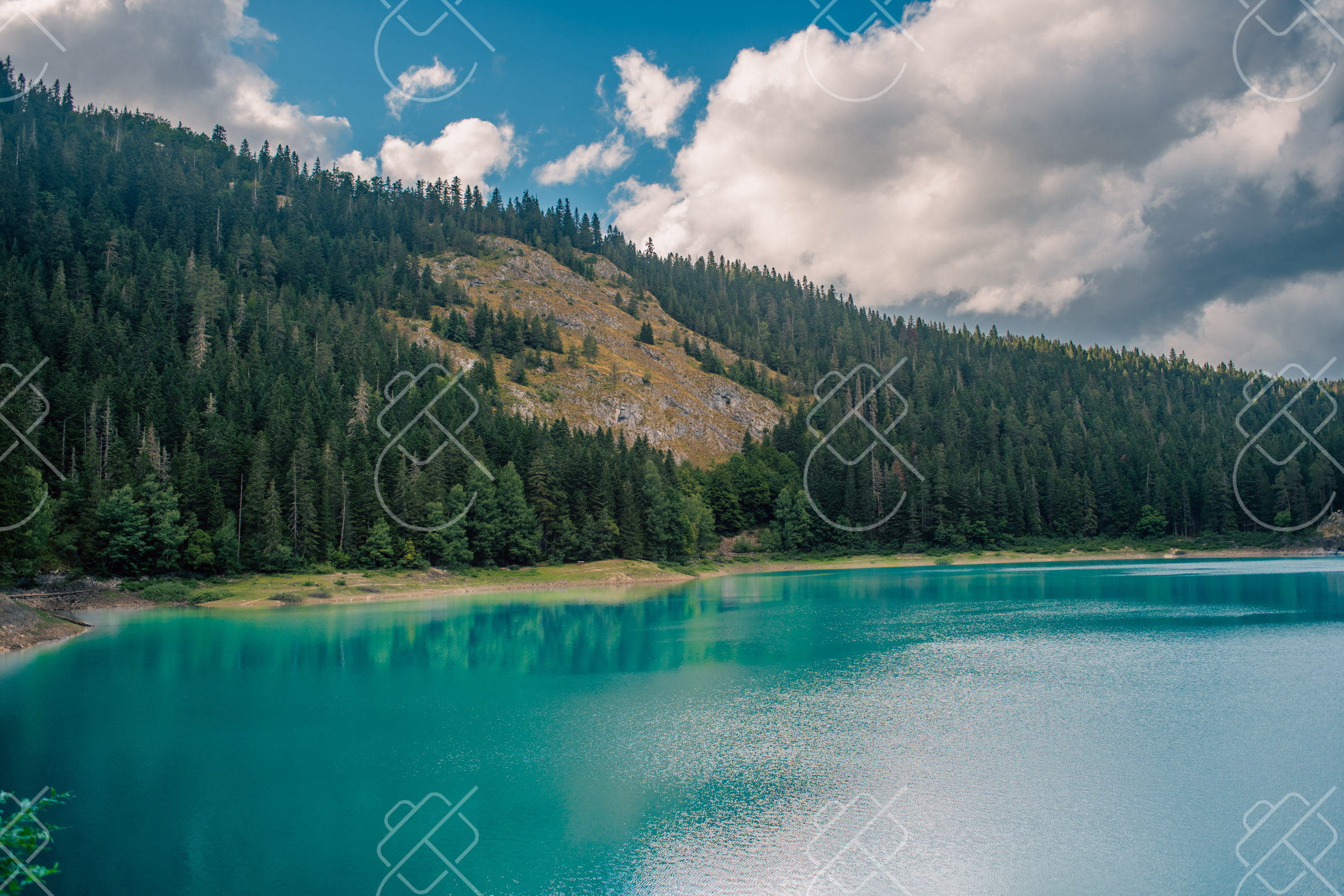
Žabljak, Montenegro
Durmitor National Park's Black Lake (Crno Jezero) sits at over 1,400 meters, glacier-carved and ringed by pine forest — the trailhead town of Žabljak is only fully walkable once the snow clears, typically June through September.
Durmitor holds 18 glacial lakes locals call the "Mountain Eyes," and the Black Lake — actually two connected lakes — is the easiest to reach, a flat 3.5-kilometer loop trail right from town. The wider park also protects the Tara River Canyon, Europe's deepest outside the Caucasus, best rafted between May and September when water levels and weather cooperate.
Explore Žabljak, Montenegro →02 / 07
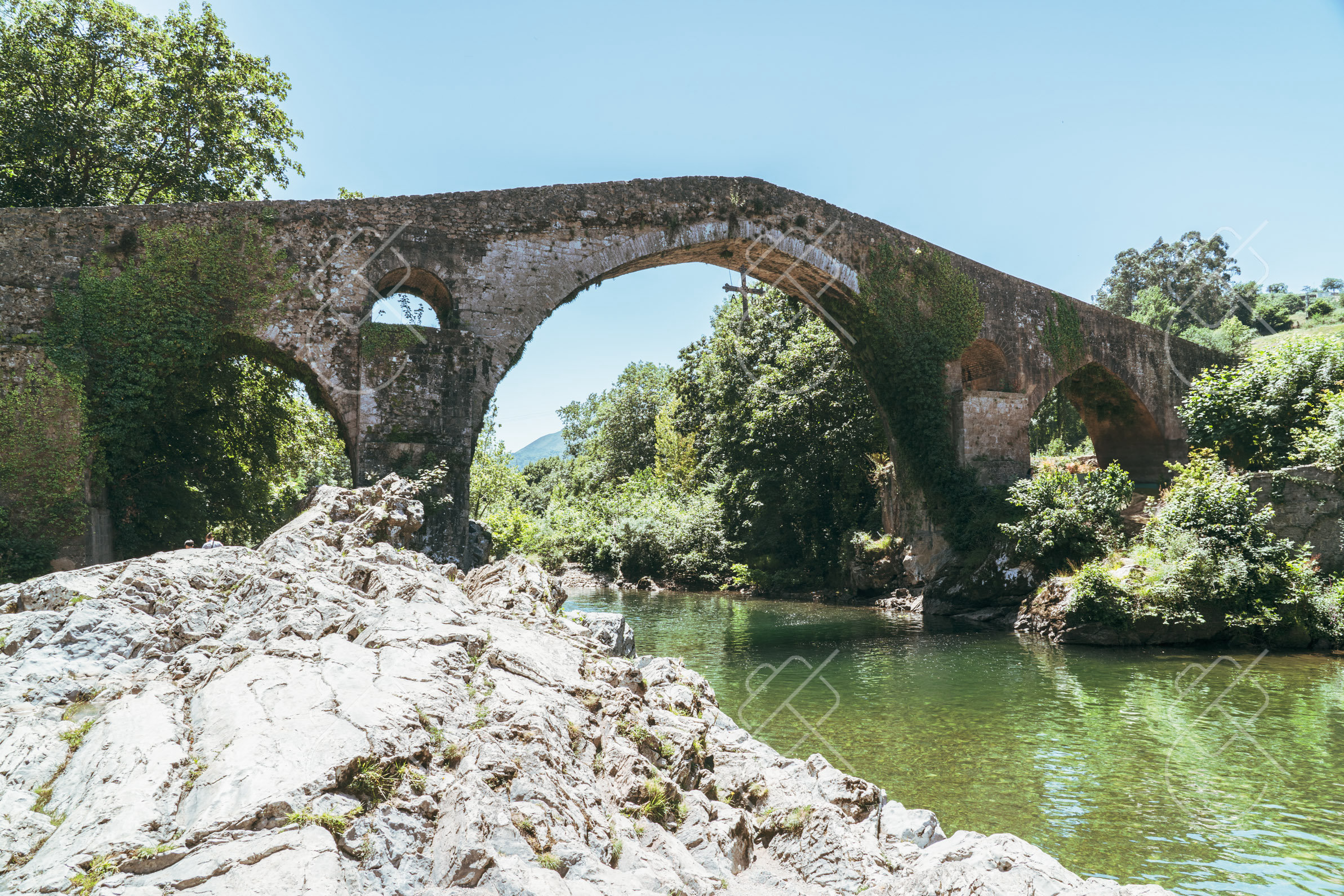
Cangas de Onís, Spain
A medieval stone bridge over the Sella River marks the gateway to the Picos de Europa, where the high mountain trails and glacial lakes of the Lagos de Covadonga only fully reopen once winter road closures lift, usually by June.
The bridge's central arch carries a replica of the Cruz de la Victoria, tied to the nearby Battle of Covadonga in 722 — often cited as the start of the centuries-long Reconquista. Come summer, the same river draws kayakers and swimmers, and the annual Sella descent, a canoe race turned informal float trip, fills the town every August.
Explore Cangas de Onís, Spain →03 / 07
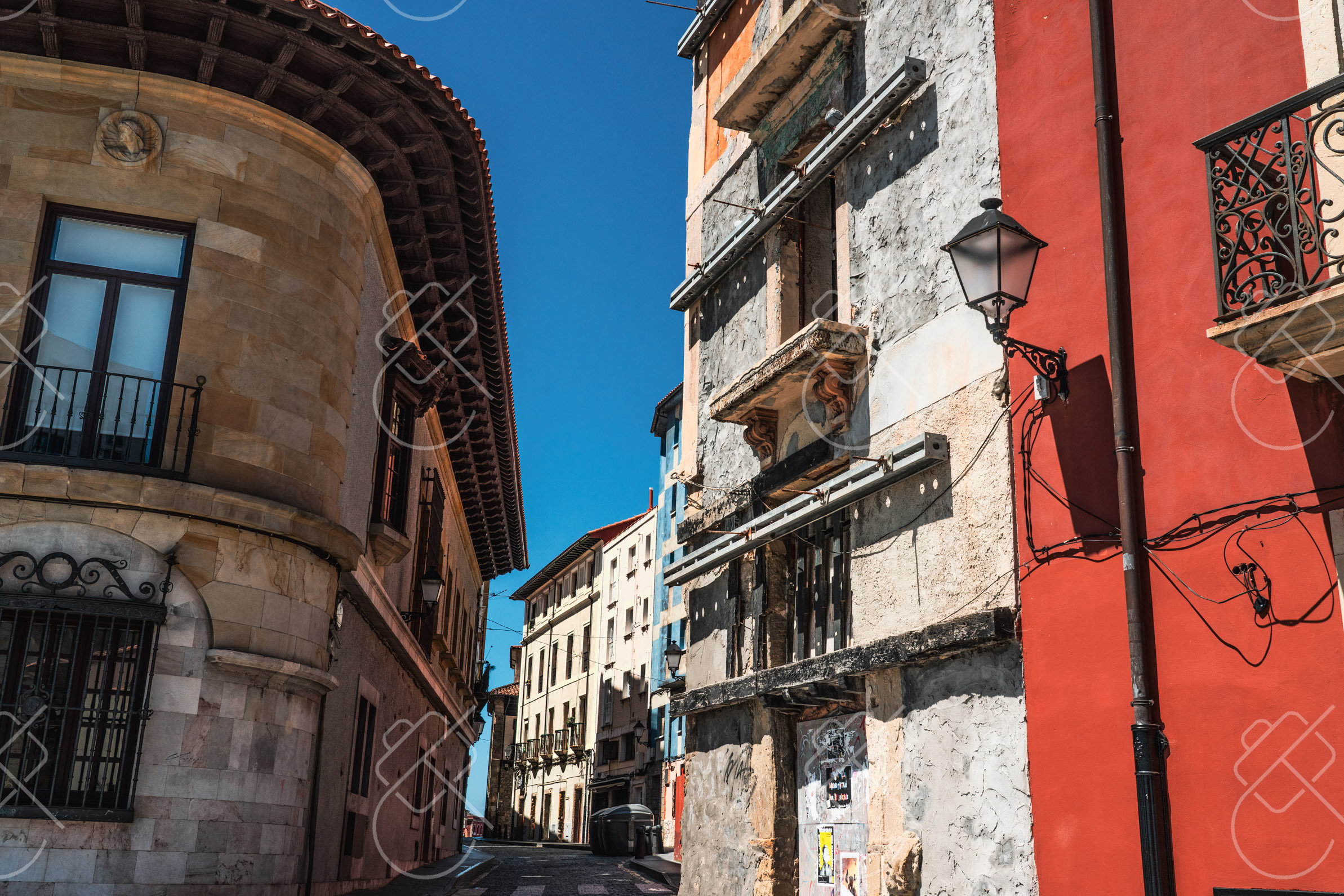
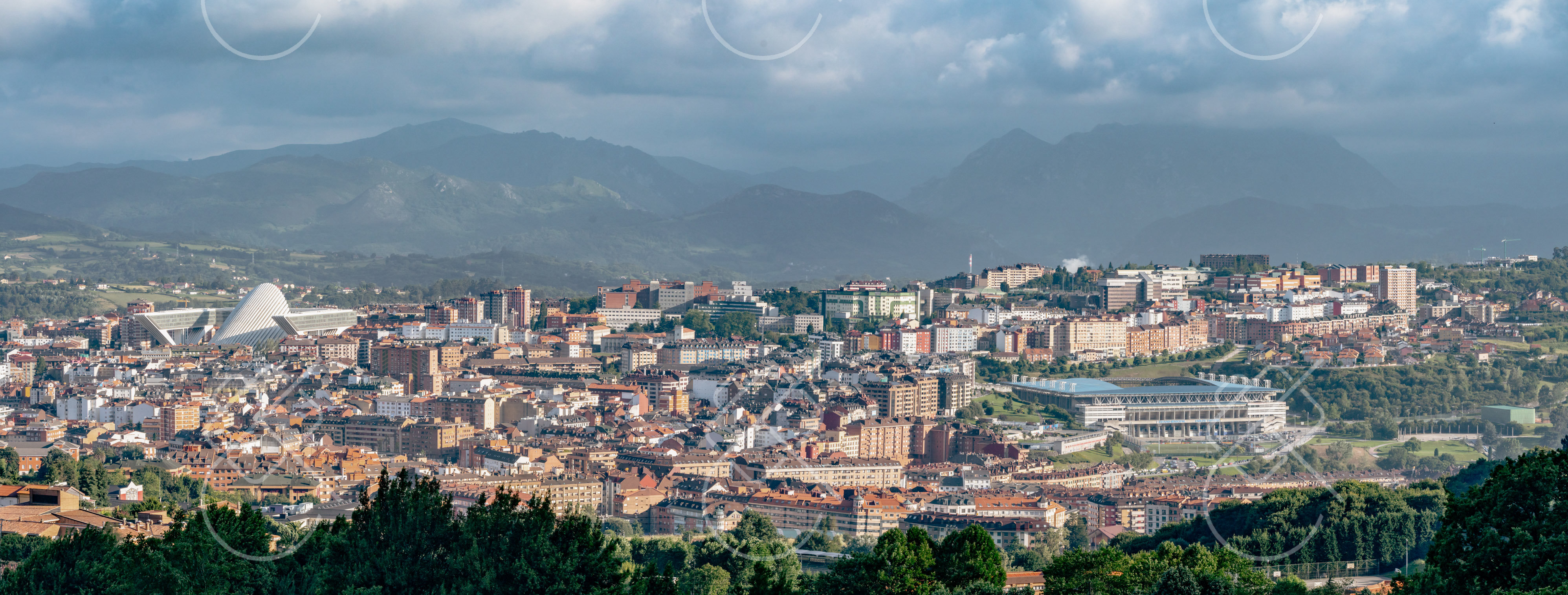
Gijón, Spain
Northern Spain's Cantabrian coast stays cool enough for a real beach vacation in July and August, when Madrid and Seville are baking — Gijón's Cimadevilla quarter fills its cider houses and outdoor tables for exactly that reason.
Gijón's cider-pouring tradition, escanciado, is meant to be drunk fresh and outdoors, and Asturias' biggest cider festivals cluster in July and August to match. The same stretch of coast stays walkable at midday even in peak summer, something southern Spain can't claim in August.
Explore Gijón, Spain →04 / 07
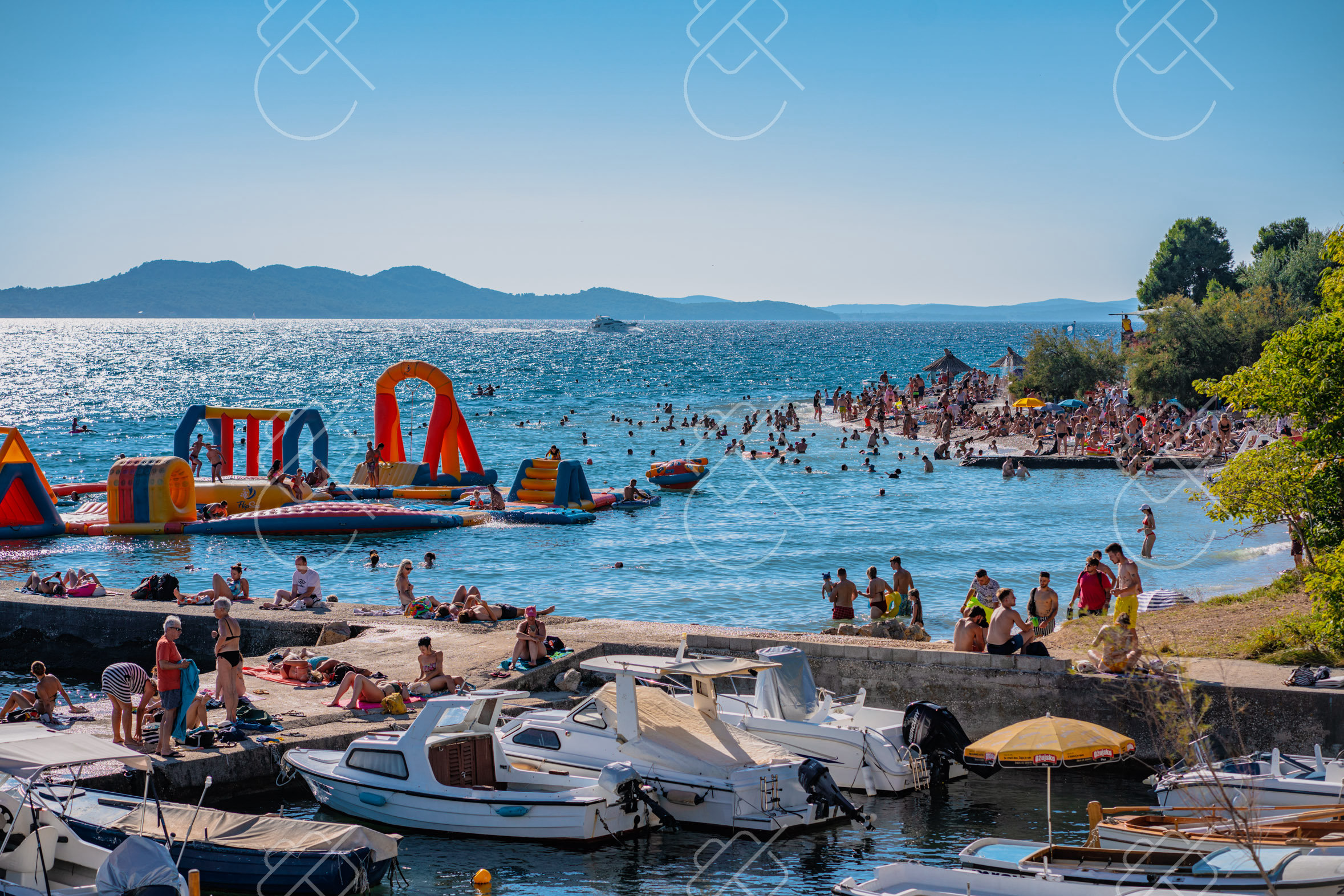
Zadar, Croatia
Zadar's waterfront turns into a full beach-day scene by July, the harbor packed with swimmers and inflatable water parks a short walk from the Roman forum.
The real summer draw is the Sea Organ, pipes built into the harbor steps that turn waves into ambient music, paired with the Sun Salutation — a circular array of solar panels that lights up after dark. Both were built specifically to give the waterfront a reason to linger past sunset, which in a Croatian July doesn't come until after 8pm.
Explore Zadar, Croatia →05 / 07
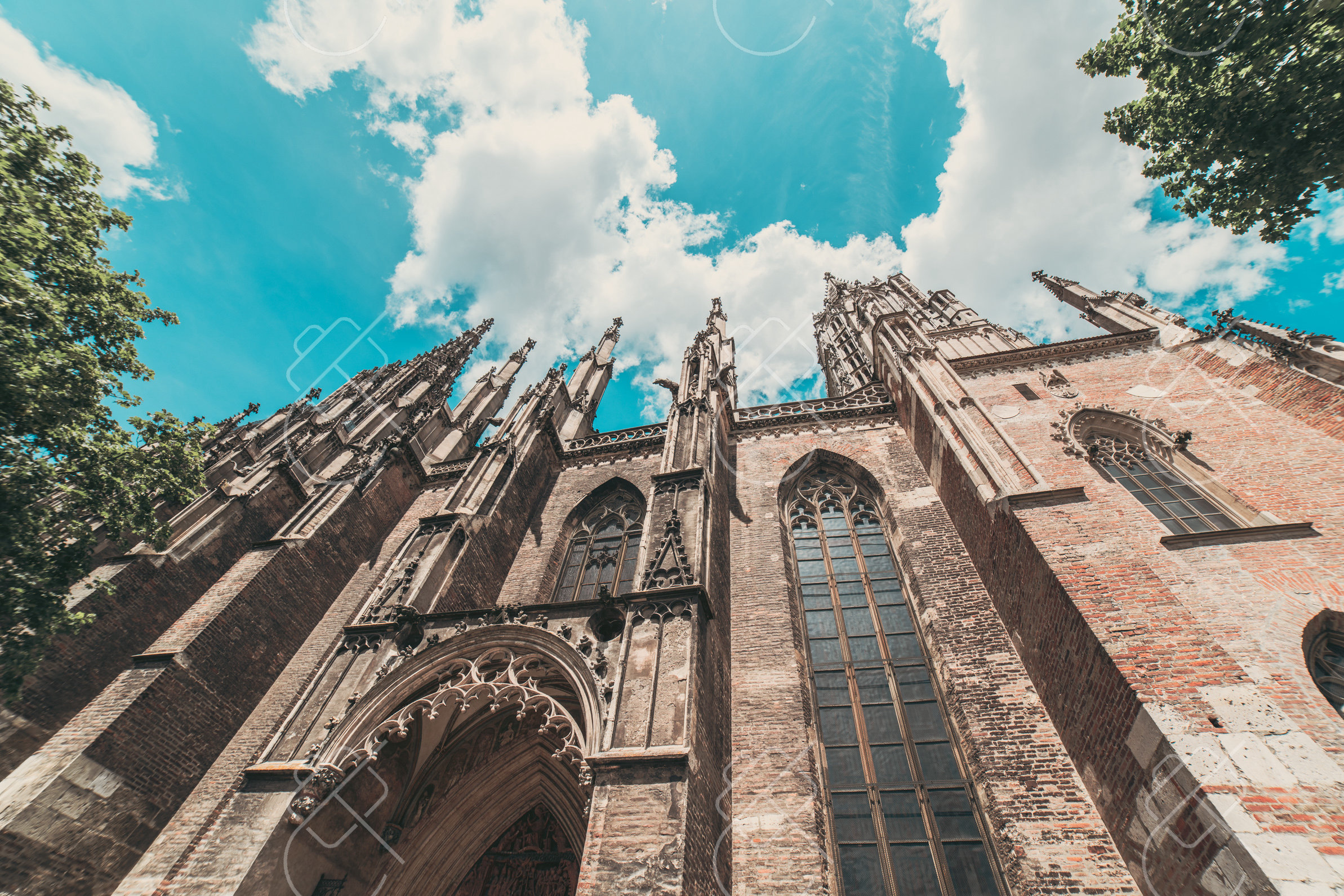
Munich, Germany
One of Munich's Gothic church spires rises against a clear June sky — the kind of long, warm day locals spend as much time outdoors as possible before Bavarian winter returns.
Munich's beer gardens are a genuinely seasonal institution, many shaded by chestnut trees breweries planted over a century ago to keep beer cellars cool underground — the tradition of drinking in that same shade came later. The Englischer Garten, one of the largest urban parks in the world, holds several of the best, and long summer daylight (sunset well past 9pm in June) stretches the outdoor season as far as the weather allows.
Explore Munich, Germany →06 / 07
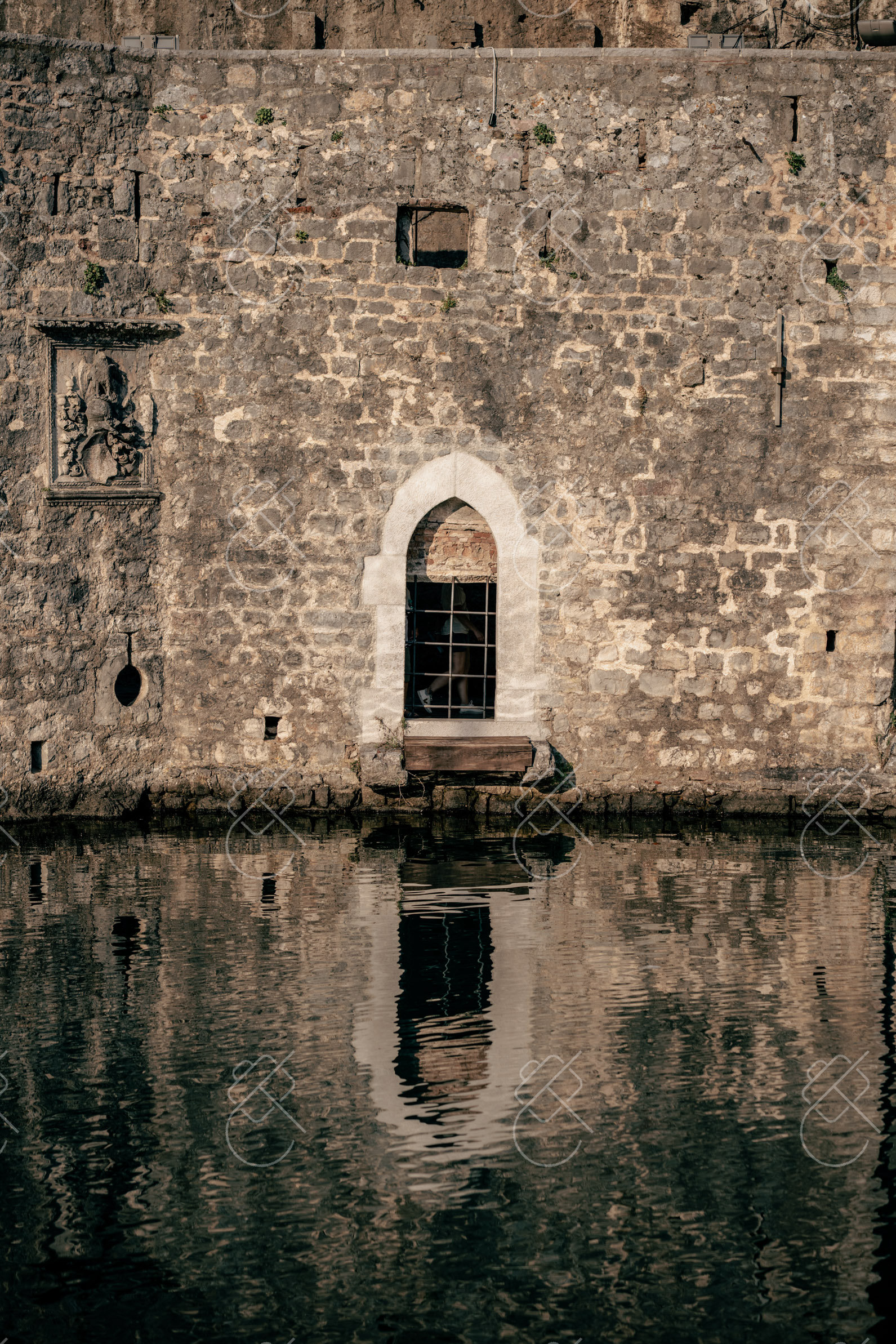
Kotor, Montenegro
Kotor's medieval fortification walls meet still water in the Bay of Kotor, warm enough for a swim from June through September without the crowds that fill the Old Town by August.
The bay's calm, current-free water and steep surrounding mountains keep it swimmable by late May, weeks before Croatia's more exposed open coastline catches up — and Kotor's own Old Town cats have the run of the quieter alleys until the cruise-ship crowds arrive by mid-summer.
Explore Kotor, Montenegro →07 / 07
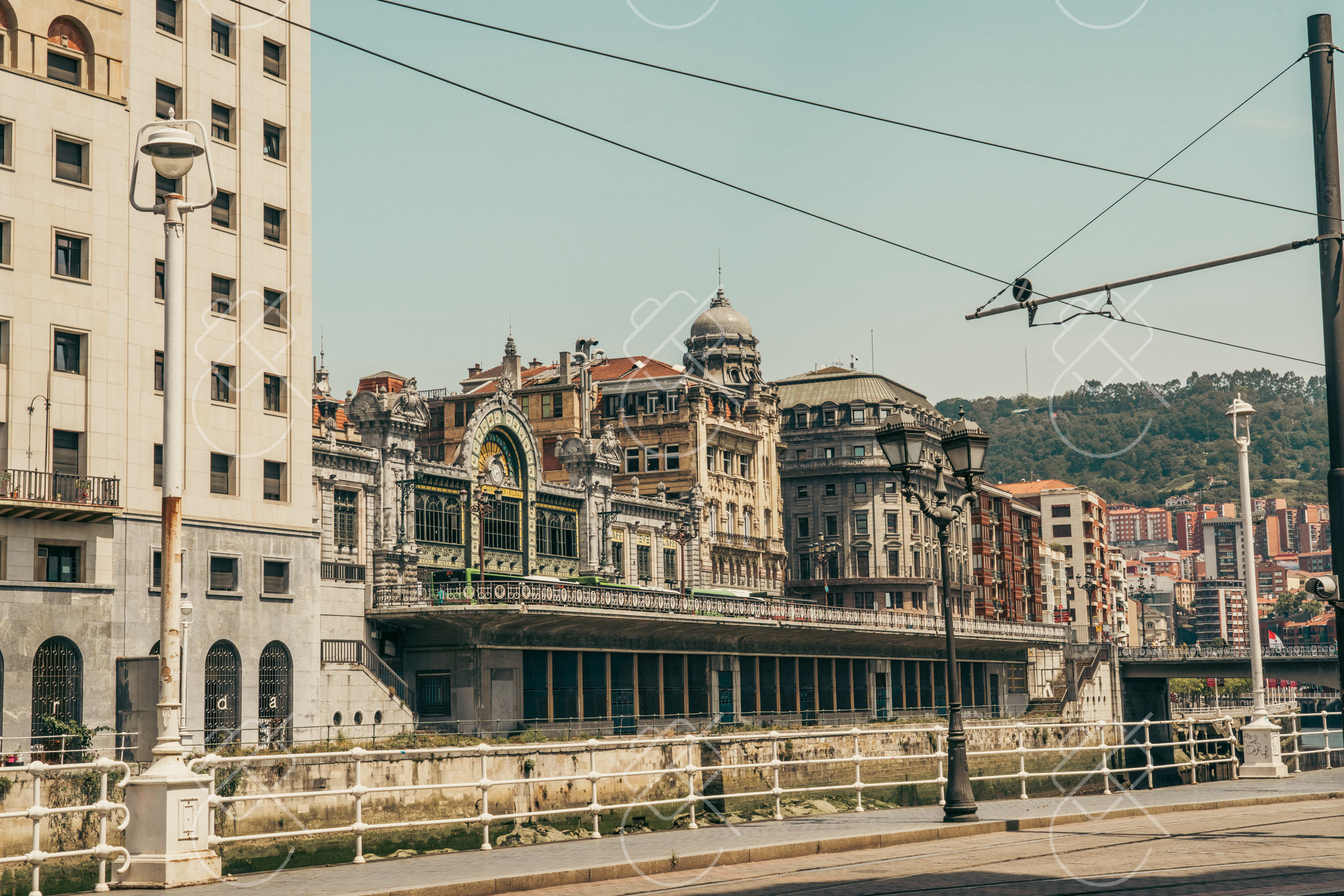
Bilbao, Spain
Bilbao's Ría waterfront stays walkable through the hottest months, its Belle Époque train station and riverside promenade shaded and breezy compared to inland Spain.
Basque summers run noticeably cooler and wetter than the rest of Spain, a quirk of the Bay of Biscay's Atlantic influence — the same weather pattern that keeps the region green year-round also keeps Bilbao and San Sebastián comfortable for walking in August, when Madrid and Seville regularly hit 40°C (104°F).
Explore Bilbao, Spain →