

Home
About us
Destinations
Travel Guides
Recipes
Featured
Photos As Art
Abstract Prints
Locations
Travel Gear
Travel Resources
Favorites
Photo Framer
Explore Photos
Contact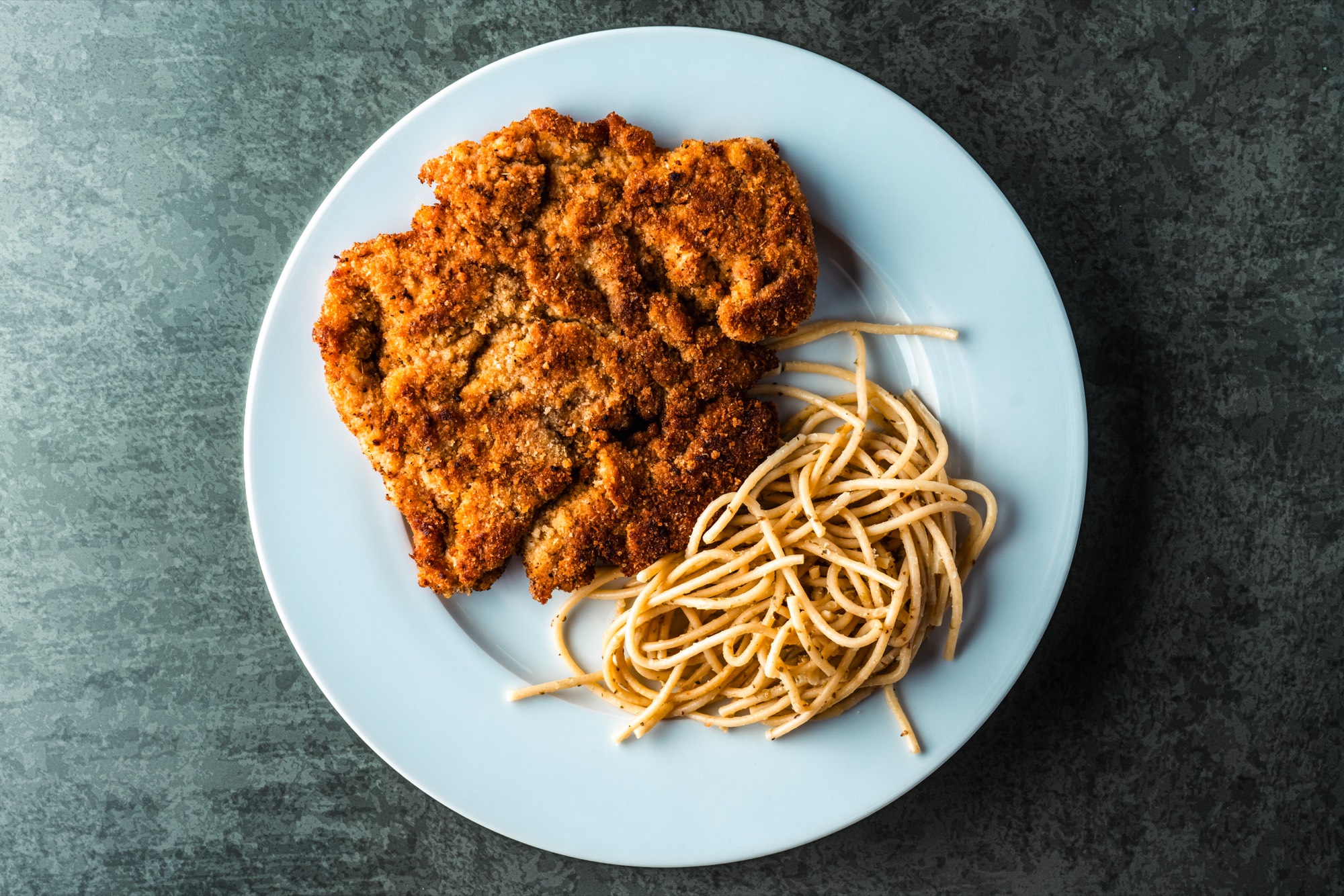
(Pan-fried breaded chicken cutlets)
Milanese cooking takes its name from Milan, where cotoletta alla milanese, a breaded, pan-fried veal cutlet, has been a signature dish since at least the 19th century. Pounding meat thin, breading it, and frying it hot enough to crackle turns out to be an idea nearly every country has landed on independently. Austria's Wiener Schnitzel is the most famous relative. Popular legend credits an Austrian field marshal with carrying the technique home from Milan in the 1850s, though food historians treat that origin story as folklore rather than fact. Japan built its own version, tonkatsu, in the late 1800s by swapping in pork and a coarse panko crust as part of the era's wider embrace of Western-style cooking. Israel turned chicken schnitzel into one of its most common home-cooked dinners, and across Mexico and Latin America, milanesa (beef, chicken, or pork, breaded and fried the same way) shows up everywhere from family tables to tortas and street-cart tacos. The chicken version became a fixture of Italian-American kitchens too, which is the lineage this recipe follows.
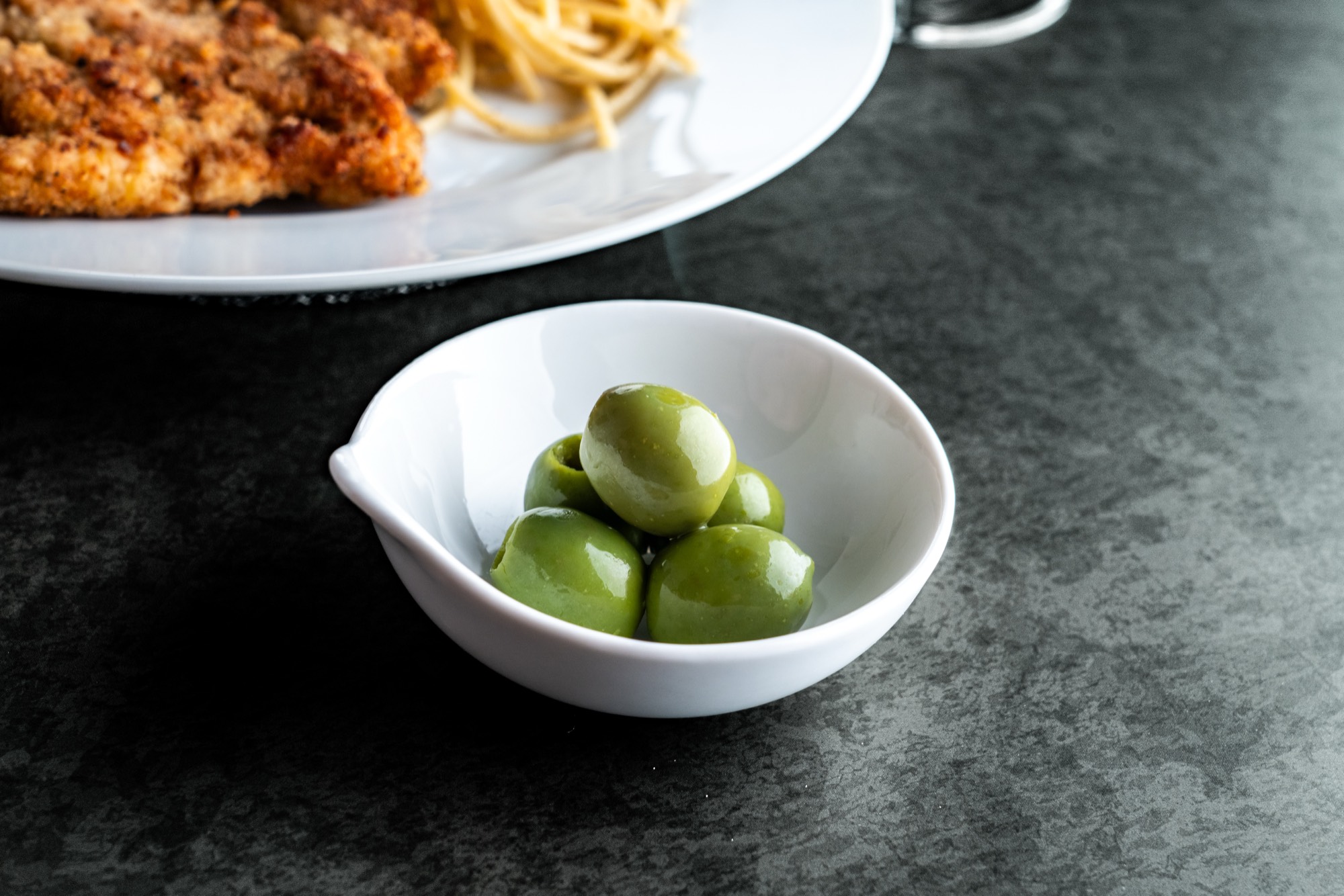
The technique stays the same wherever it lands: pound the meat thin so it cooks fast and evenly, bread it, and fry it hot enough that the crust crackles instead of steams. This version keeps it simple: a seasoned breadcrumb coating and a shallow fry in olive oil, for a cutlet that's done in under half an hour. Serve it hot with a squeeze of fresh lemon, plain or alongside something simple like buttered spaghetti or an arugula salad. The crust is the point, so keep the rest of the plate quiet.
Some ingredient links below are affiliate links — if you buy through them we may earn a small commission, at no extra cost to you.
clevertourists.comMilanese cooking takes its name from Milan, where cotoletta alla milanese, a breaded, pan-fried veal cutlet, has been a signature dish since at least the 19th century. Pounding meat thin, breading it, and frying it hot enough to crackle turns out to be an idea nearly every country has landed on independently. Austria's Wiener Schnitzel is the most famous relative. Popular legend credits an Austrian field marshal with carrying the technique home from Milan in the 1850s, though food historians treat that origin story as folklore rather than fact. Japan built its own version, tonkatsu, in the late 1800s by swapping in pork and a coarse panko crust as part of the era's wider embrace of Western-style cooking. Israel turned chicken schnitzel into one of its most common home-cooked dinners, and across Mexico and Latin America, milanesa (beef, chicken, or pork, breaded and fried the same way) shows up everywhere from family tables to tortas and street-cart tacos. The chicken version became a fixture of Italian-American kitchens too, which is the lineage this recipe follows. The technique stays the same wherever it lands: pound the meat thin so it cooks fast and evenly, bread it, and fry it hot enough that the crust crackles instead of steams. This version keeps it simple: a seasoned breadcrumb coating and a shallow fry in olive oil, for a cutlet that's done in under half an hour. Serve it hot with a squeeze of fresh lemon, plain or alongside something simple like buttered spaghetti or an arugula salad. The crust is the point, so keep the rest of the plate quiet.
Be the first to comment.