Home
About us
Destinations
Travel Guides
Recipes
Featured
Photos As Art
Abstract Prints
Locations
Travel Gear
Travel Resources
Favorites
Photo Framer
Explore Photos
ContactOn a low limestone rise at the western edge of Nikšić, a ring of broken stone walls sits above the rooftops with almost nothing to announce it — no ticket booth, no signage, and on most afternoons no other visitors. This is Bedem, the fortress that has occupied the same spot since Roman engineers built a camp here in the 4th century, and the reason the town spent most of its history under the name Onogošt. It is half ruin and half open-air stage, and it is the single best vantage point in Montenegro's second city.
Published July 15, 2026
Tap any photo to open it full-screen and order a print.
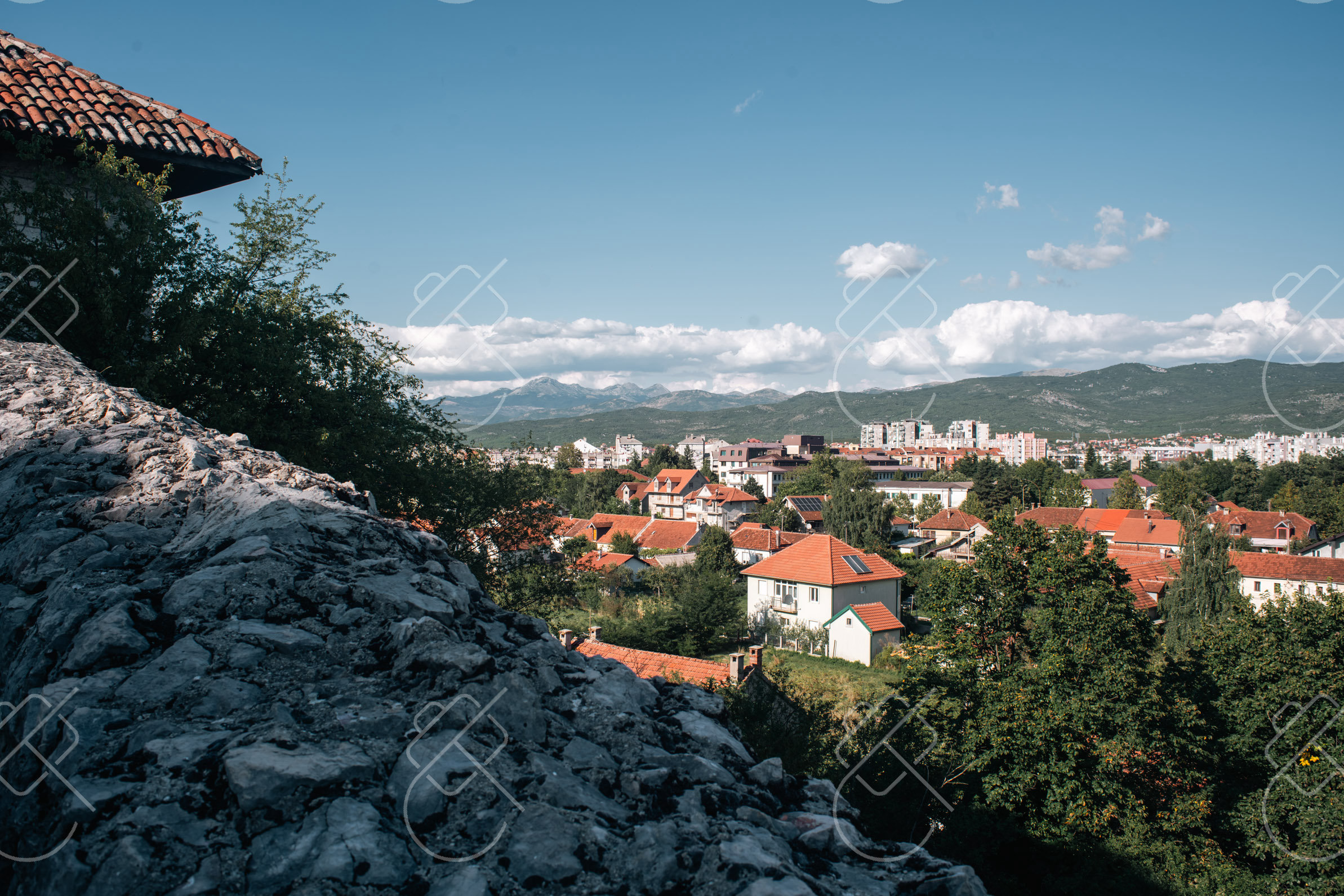
A 214-metre ring of Roman, medieval and Ottoman fortification on a rise above Nikšić, largely unrestored, freely open, and looking straight down over the city's red roofs to the mountains beyond.
The Romans built a castrum here in the 4th century to hold a junction of roads across the Dalmatian interior, and by the mid-5th century, under Ostrogothic control, the site was known as Anagastum. Slavic settlers arriving in the 6th and 7th centuries turned that name into Onogošt, which is what the town was called for the next thousand years — through its stint as a župa of the medieval Serbian kingdom and right up to the Ottoman conquest, when it was renamed after the Nikšić tribe. The walls standing today are the newest layer: an Ottoman rebuild begun around 1701 by Recep Pasha and finished in 1713, laid out as an Upper Town with six towers and a Lower Town with five. The whole enclosure runs 214 metres, and locals call it simply Bedem — the rampart.
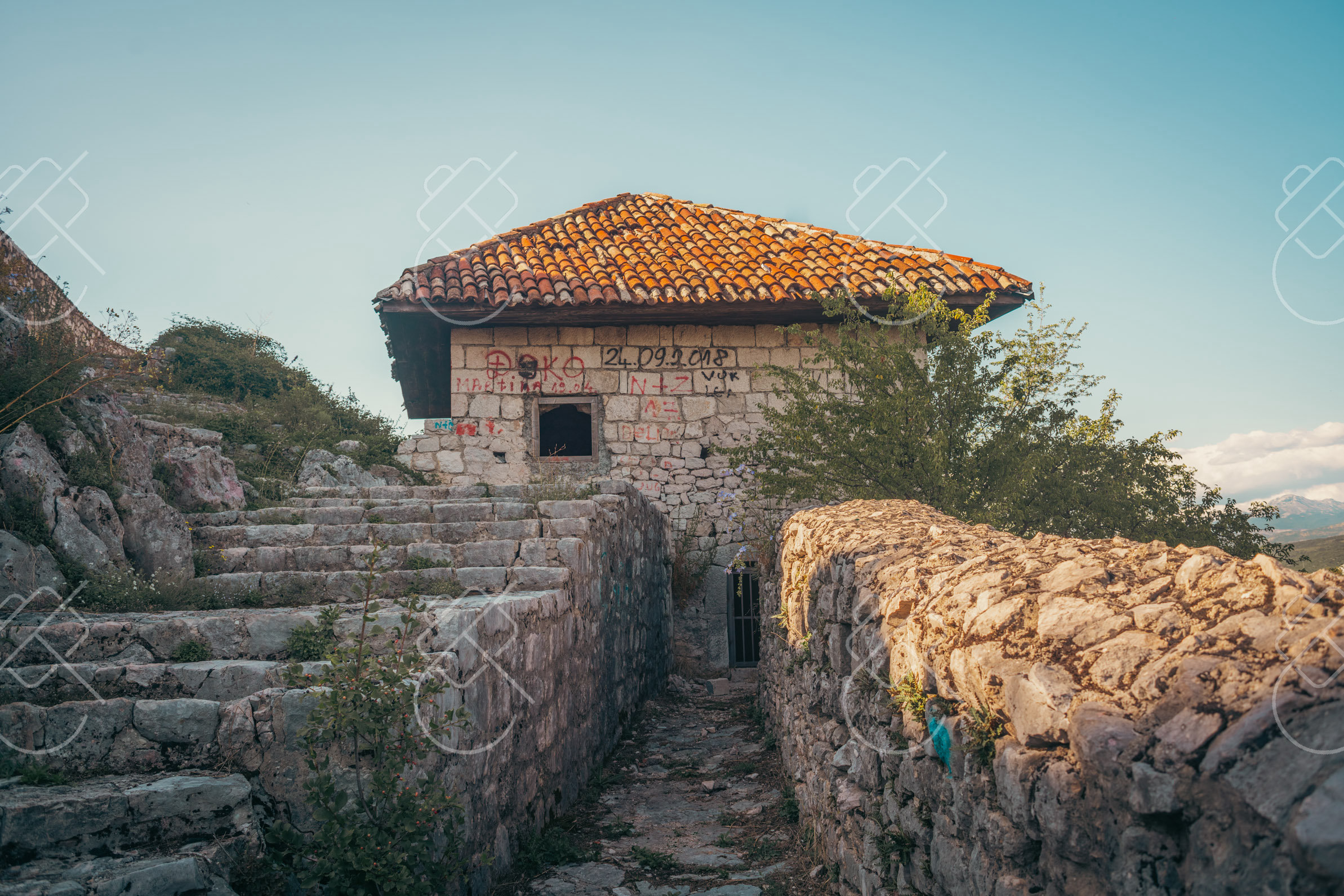
The restored tile-roofed tower rising above Bedem's rebuilt stone steps
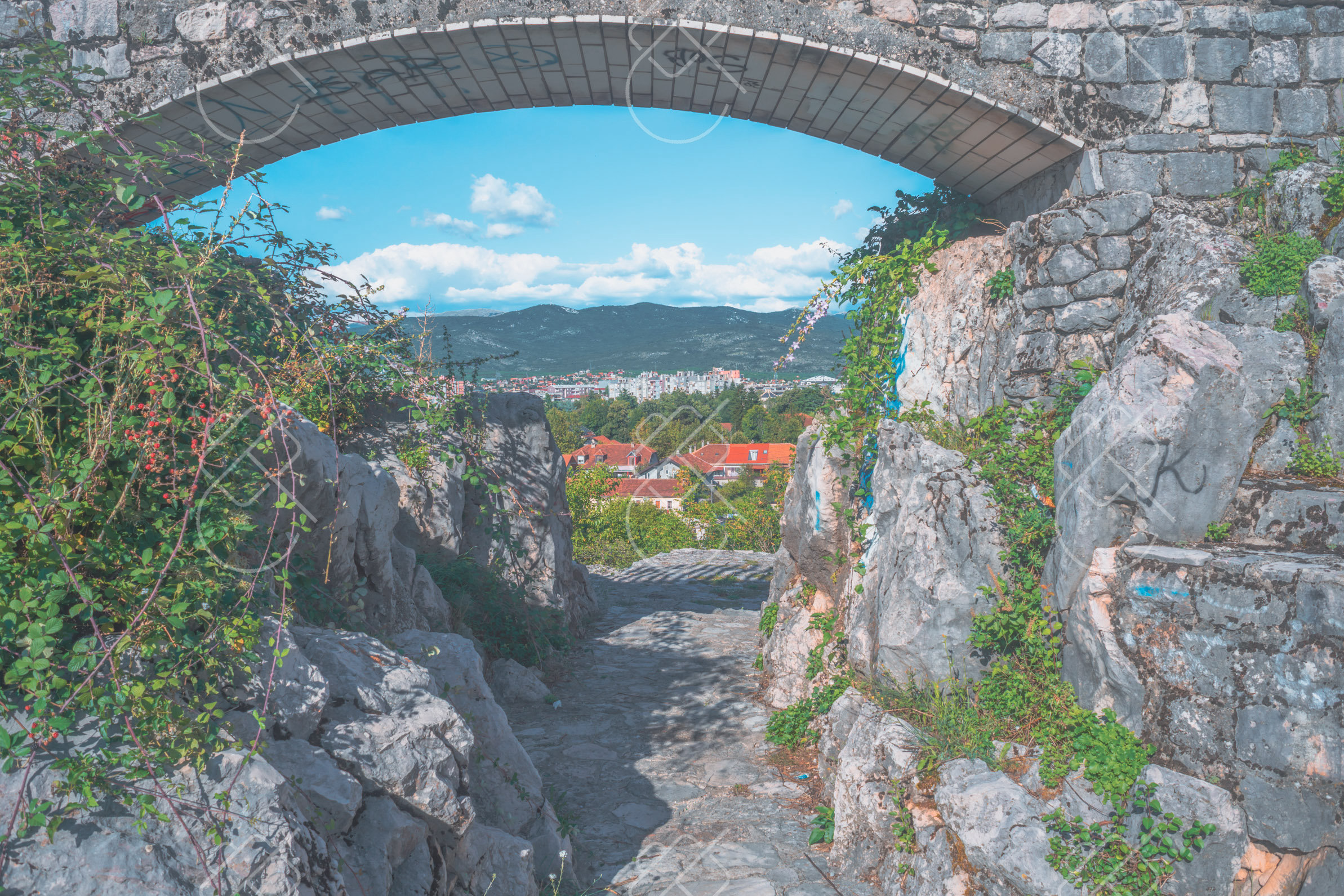
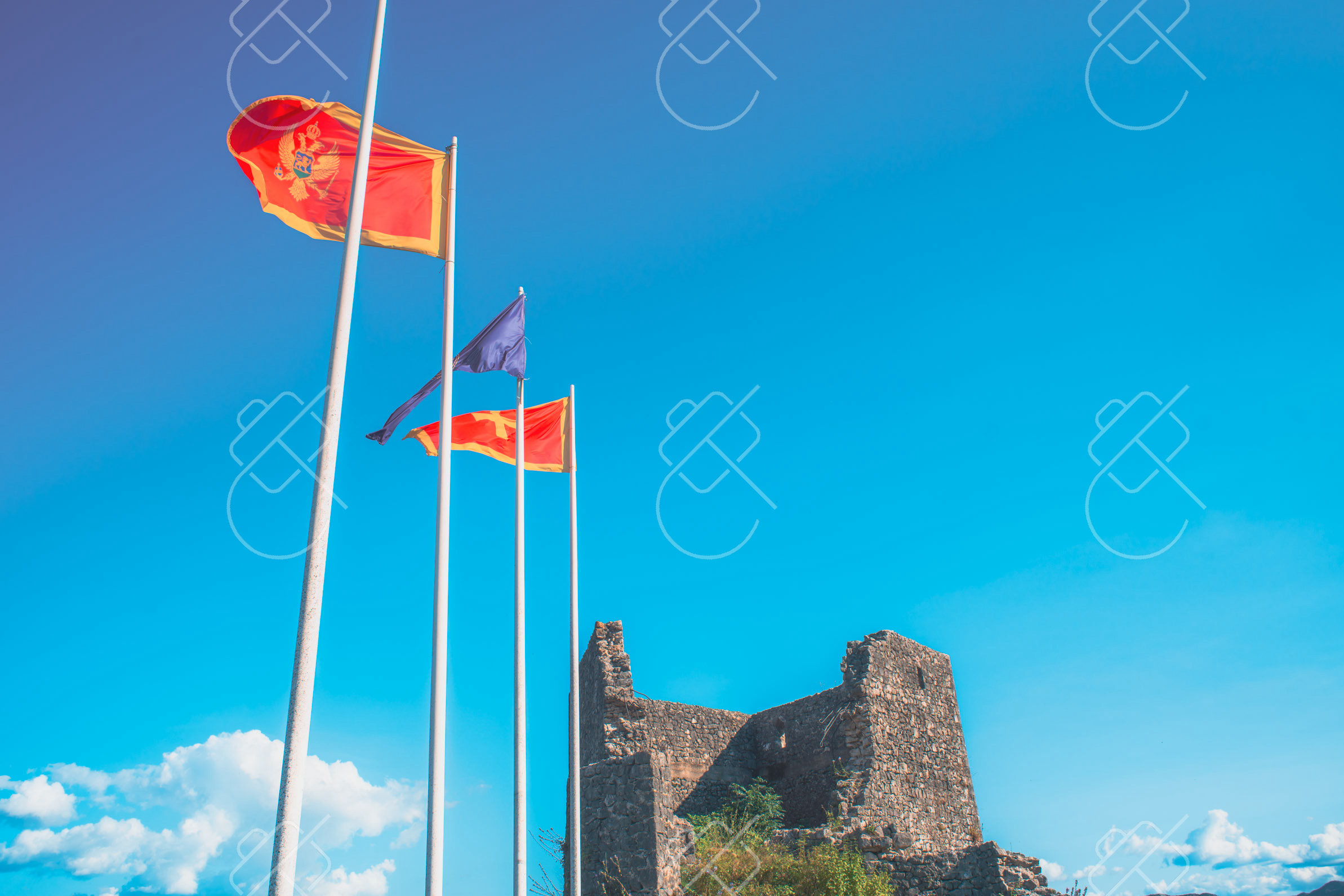
Montenegrin forces took the fortress in 1877 after a long siege, ending nearly two centuries of Ottoman garrison, and Bedem promptly lost the only job it had ever had. It has been decaying since. Restoration was attempted in the 2000s and abandoned partway, which is why you'll find a modern concert stage and fresh concrete steps sitting inside collapsed walls, alongside graffiti and thistles growing out of the masonry. One square tower has been rebuilt with a tile roof and stands out against everything around it. Come anyway: the circuit takes twenty minutes, the ramparts on the town side look over Nikšić's red roofs to the socialist-era blocks and the ring of mountains behind them, and in summer the ruins fill up for Bedem Fest, the free rock festival that has used the fortress as a venue since 2010.
Late afternoon, an hour or two before sunset, when the light comes in low across the ramparts and the town below and the exposed stone has stopped radiating heat.
Stay in the city centre around Trg Slobode — the fortress is a fifteen-minute walk west, and the cathedral hill is the same distance in the other direction.
Walk back down into town for a plate of grilled ćevapi and a Nikšićko Pivo, brewed a few streets away since 1896 and the drink the whole country associates with this city.
There's no fence, no lighting, and no maintained path in the unrestored sections — the wall walks have real drops and loose footing, so wear proper shoes and don't leave it until after dark.
Get the best deals on hotels in Nikšić with Booking.com.
Transit cards, local customs, visa rules, and practical travel guides for this region.
See every destination from the 526-day journey:
Browse all destinationsCurious about the gear behind these photos? See the gear list.